

Proper Installation of a Propane Or Natural Gas Patio Heater
If you are considering a propane or natural gas patio heater, take into consideration the amount of heat it produces and the space that it is intended to be utilized in. Consult an electrician or plumber for proper installation.
This model is popular because it's simple to use and offers lots of heat that can be adjustable. It comes with an automatic shutoff built-in and the base is strong enough to prevent it from tipping over.
Low running costs
Gas patio heaters are not like electric heaters, which require an outlet for operation. They can be powered directly by propane tanks. The cost to run the heater for your patio is contingent on the type of fuel used, gas and energy prices and the length of time you use it. It is recommended to seek the advice of an electrician or qualified technician to determine the most appropriate heating system for your outdoor space.
Patio heaters come in various sizes, so you can pick the best one for your space. intimate dining areas with two people as well as single chaise lounges can be well served by an outdoor gas heater that is freestanding such as the RADtec Tower Flame or Fire Sense 02117. Larger dining areas for families and covered outdoor spaces are perfect for a gas patio mounted heater, such as the Innova EF60240S or Sunpak 12002. Modern models, like the Bromic Platinum Intelligent-Heat gas utilize infrared technology to heat people and objects rather than the air. This makes them safer and more efficient in windy conditions.
Although patio heaters are generally safe, they should not be left unattended and must be used on a level and stable surface. The heating elements could get hot and burn skin, or ignite flammable materials like napkins made of paper or clothing, so it is essential to be vigilant. Make sure the area is free of flammable substances, such as wood decks, and follow the manufacturer's guidelines to ensure proper installation.
There are three common types of patio heaters: propane, natural gas and electric. Natural gas patio heaters might cost more initially, however they are less expensive to run over the course of time. Additionally, it is an excellent choice for a permanent outdoor space. Natural gas patio heaters use less energy than propane, but may require more installation costs.
Propane patio heaters provide the most versatility when it comes to fuel sources, but they can be expensive for those who aren't able to access to natural gas. The price of propane patio heaters is also increased by the necessity to replenish them frequently. If you're looking for an affordable alternative think about an infrared patio heater.
Easy to install
Natural gas patio heaters are connected to the natural gas lines already present in your home or office. This makes them more cost-effective and helps reduce your energy bills because you'll use less energy overall. Natural gas patio heater installation is simple and easy which makes it a good option for homeowners who want to keep their outdoor living areas warm throughout the year.
Gas patio heaters are available in different styles. You can choose from freestanding heaters to wall-mounted units that fit your budget and needs. A lot of models have adjustable heat settings, allowing you to choose how much heat you want to create in your space. Some models also come with an integrated light so you can see your surroundings at night.
There are also various styles and sizes to match your outdoor living space. Some have a sleek, modern design, while others are more traditional. The dimensions and style of the heater will depend on your needs, and the height at which you would like to put it. The experts at Dallas Landscape Lighting can help you choose the ideal patio heater for your needs.
When selecting a gas patio heater you should consider the size of your space and the amount you'll require to heat it. Propane patio heaters are affordable to purchase, but more expensive to operate. Electric patio heaters are more efficient, but they can cause your electricity bill to skyrocket. Gas patio heaters are a more economical option, and they can be used as frequently as you want without increasing your energy costs.
When you're hosting dinner parties or simply enjoying a glass of wine, a heater for your patio can enhance the luxury of your outdoor space. Patio heaters have become increasingly popular with homeowners since they allow them to enjoy the outdoors all year. The cold winter temperatures of Southern California can make it difficult to go outside however a patio heater allows you to extend your living and dining areas until the sun sets.
Aesthetics
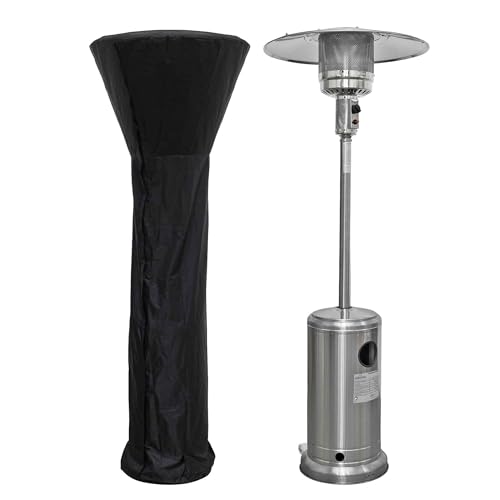
Patio heaters can be a great addition to outdoor dining and lounge spaces, especially for pubs, restaurants, and bars. They can increase the flow of traffic and allow guests to remain outside for longer even in the case of cold. They are also a great choice for homeowners who want to maximize their outdoor space. If they're too intrusive they could detract from the overall appearance of the space. Fortunately, there are many heaters for patios that blend seamlessly into the décor.
When choosing a patio heater, the primary thing to consider is the heat output. This is usually measured in BTUs. The more BTUs the rating is the more heat the heater will produce. A general rule of thumb is to choose an appliance with an BTU rating equal to or slightly higher than the square footage of your patio.
Another thing to take into consideration is whether you want the heater to be portable or stationary. Portable patio heaters are able to be fueled by natural or propane, and their mobility is determined by their dimensions. Small table-top models are able to be moved easily, because they only require the removal of the fuel cylinder. They can also be rolled or transported from one location to another. Large free-standing models, on the contrary, are more heavy and require a professional installation.
The majority of manufacturers offer a variety choices for their patio heaters, which allows customers to find the best match to their furniture and decor. Infratech offers two slim-line single element heaters. The Silver Housing has a brushed stainless-steel faceplate, while the Black Shadow Series is finished in anodized aluminium.
If you are planning to use a gas patio heater, be sure to follow the safety guidelines. Set the heater on an even surface. Never place it in the wind because this could cause it blow over or catch fire. her comment is here 's also a good idea to regularly check the gas lines for leaks by spraying them with a water-based cleaning agent. If you notice that bubbles are forming or smell gas, it's time to call a plumber.
Safety
As hotels, restaurants and homeowners try to improve the ambience and warmth of their outdoor spaces, patio heaters are becoming increasingly popular. Despite their many benefits, there are some security concerns to be aware of. When you're installing an electric heater that is portable or an overhead gas model, these safety tips can help prevent fires and other accidents from happening.
Propane or natural gas patio heater s produce carbon monoxide which can be fatal when inhaled in enclosed spaces. Never use your heater inside in a garage, or in a partially enclosed space such as a gazebo or porch.
Check for a thermostat: Many patio heaters come with a safety feature that shuts off propane flow if the flame is extinguished. A broken thermocouple could lead to gas leaks, which can be very hazardous. Be sure to inspect the thermocouple assembly and pilot light for signs of wear.
Keep children away: Children shouldn't be allowed to touch any type of fire element, including patio heaters. Additionally children should not play close to them or try to move them. The patio heater should not be placed directly over children or any other object that is flammable. It should also be at least 15 feet from them.
Always be aware that gas patio heaters are still susceptible to causing fires despite all precautions for safety. It is important to always be alert and be aware of your surroundings. If you're using a standing heater ensure that you anchor it or weight it down to prevent it from falling over.
It's also a good idea to have a fire extinguisher nearby, preferably one that is rated for your fuel source (class B for gas or electric). A fire extinguisher can be critical in the event of an emergency and can significantly reduce the damage caused by an incident with a fire. Be sure to read all instructions provided by the manufacturer of your patio heater. If you notice that the flame is flickering, or suddenly stops, turn off your patio heater and wait some time before trying to ignite it again. This will stop the build-up of gases that could trigger an explosion or flashburn.